758 → 508 / DUPES DID ITMAKE ART. NOT CONTENT.
WEGOSITE_

Wednesday, March 12, 2025

How to Handle Restlessness When Your Energy is Low


We’ve all been there—you’re feeling restless, like you should be doing something, but your energy is drained. It’s a frustrating state to be in because you want progress, but you don’t have the fuel to power through.

Instead of forcing productivity or sinking into mindless scrolling, here’s how to channel that restless energy in a way that’s low-effort but mentally satisfying.

  1. Brain Dump for Clarity Your brain might be overloaded with thoughts, tasks, or ideas. Get them out of your head and onto paper (or a notes app). No need to organize—just write everything down. Then, highlight one or two things that actually matter. This helps clear mental clutter without forcing deep focus.

  2. Passive Learning – Engage Without Effort When active work feels too heavy, listen to a podcast, watch an interesting video, or skim through a book summary. This way, you’re still absorbing useful information without feeling the weight of intense focus.

  3. Small Wins – Micro-Tasks That Feel Good Pick a tiny action that gives you a sense of progress—replying to an email, tidying your desk, organizing files. Something simple that lets your brain register progress without exhaustion.

  4. Reset Your Body – Low-Energy, High-Impact A five-minute stretch, deep breathing, or even a hot shower can reset your physical state and help your mental energy catch up. Sometimes, small physical changes shift how you feel mentally.

  5. Intentional Entertainment – Stimulating but Relaxing If you’re going to consume content, make it something that sparks ideas or adds value—a documentary, a thought-provoking show, or even engaging in a light conversation. This way, your restlessness is directed towards something engaging rather than draining.

Final Thought Restlessness with low energy doesn’t have to be a lost state. By picking small, intentional actions, you can satisfy the need for movement without overloading yourself. The goal isn’t to push through but to redirect that energy wisely, so you wake up tomorrow feeling clearer and more refreshed.

LinkedIn Post:

Feeling restless but low-energy? Here’s how to handle it productively (without burnout).

We all hit that state where we want to get things done but just don’t have the energy to push hard. Instead of forcing productivity or doom-scrolling, try these low-energy, high-satisfaction moves:

  • Brain Dump – Write down what’s on your mind. No structure, just clear the mental fog.
  • Passive Learning – Listen to a podcast or skim a book summary. Absorb without effort.
  • Micro-Wins – Tiny tasks (replying to a message, quick decluttering) create momentum.
  • Body Reset – A five-minute stretch, deep breathing, or even a warm shower can shift your state.
  • Intentional Entertainment – Watch or read something that stimulates ideas rather than numbing you.

The key? Redirect that restlessness instead of fighting it. Small actions add up, and tomorrow, you’ll feel clearer and more in control.

What do you do when you feel stuck in this restless-but-tired state? Drop your go-to moves in the comments!

Saturday, March 8, 2025

creating on your own terms

In the world of artistry, creativity doesn’t punch a clock. It doesn’t wait for your day to clear up, for your inbox to be empty, or for permission from the world. It arrives when it wants, often unexpectedly, and the challenge isn’t in finding it—it’s in honoring it when it comes.

Seth Godin’s words remind us that while the world thrives on structure, artists thrive on flow. The traditional workday, the to-do lists, and the expectations of others can often stifle creativity rather than nurture it. As an artist, your greatest tool isn’t just your talent—it’s your ability to recognize when inspiration strikes and have the courage to act on it.

This isn’t about abandoning responsibility. It’s about recognizing that creativity operates on a different timeline. If today is a day where ideas are bursting at the seams, let the emails wait. If your body is calling you to move, to surf, to step away from the screen, that physical shift might be the very thing that fuels your next song, painting, or poem. When you listen to your intuition and give space to the moments that move you, your art deepens.

For musicians, this might mean stepping away from the structured studio session and allowing spontaneity to take over. For writers, it’s understanding that the best ideas don’t always come when you’re staring at a blank page but when you’re out living life. For visual artists, it might be embracing the unexpected detours that shift your perspective and inspire new work.

The key takeaway? The calendar belongs to everyone else. Your schedule—your real schedule—is dictated by what helps you create at your highest level. This isn’t an excuse to neglect discipline, but a call to align your discipline with what fuels you most. Honor your inspiration when it arrives, structure your commitments around your creativity rather than against it, and don’t be afraid to build a life where your art takes priority.

Because in the end, no one remembers the errands you ran or the emails you answered on time. But they will remember the work you created when you let yourself fully embrace the moment.

The Four Pillars of Influence: The Ultimate Guide for Musicians & Songwriters

Introduction: Understanding the Game So You Can Win

Sex, money, religion, and politics aren’t just forces you have to navigate—they are tools you can leverage to build influence, grow your audience, and shape your career. The biggest artists in history mastered these pillars, whether intentionally or not.

This guide isn’t about playing defense. It’s about how you, as an artist, can take control and use these forces to your benefit—without being manipulated by them.

---

1. Sex: Controlling Your Image & The Power of Attraction

How Artists Have Used It:
- Beyoncé & Rihanna: Built their brands by embracing sex appeal on their own terms—powerful, not objectified.
- Prince & David Bowie: Used androgyny and sexuality to break norms and become icons.
- Billie Eilish: Flipped expectations by wearing baggy clothes to control her image before revealing a different side later.

How YOU Can Leverage Sex in Music:
- Own Your Aesthetic: Your image matters—whether sexy, mysterious, rebellious, or unconventional. Be deliberate about your look and brand.
- Understand the Power of Suggestion: You don’t need to be explicit. Some of the most iconic songs use sensuality subtly (Marvin Gaye’s Let’s Get It On).
- Use Image as a Statement: Whether you embrace sex appeal or reject it, make it a conscious decision—not the industry’s choice.
- Engage Fans With Persona: Fans buy into personalities as much as music. If sex appeal is part of your brand, make it a strength, not a trap.

Power Move:
Flip expectations—If you’re expected to be sexy, go against the grain and make people want more. If you’re seen as conservative, surprise them. This is how artists keep the world watching.

---

2. Money: Mastering the Business & Creating Wealth as an Artist

How Artists Have Used It:
- Jay-Z & Rihanna: Billionaires who built wealth beyond music—owning labels, fashion, and liquor brands.
- Nipsey Hussle: Preached ownership and reinvested in his community.
- Russ: Skipped labels, owned his masters, and now pulls in millions independently.

How YOU Can Leverage Money in Music:
- OWN SOMETHING: Your masters, publishing, merch, whatever—own a piece of your art so the industry can’t cut you out.
- Monetize Your Brand: Sell something beyond streams—merch, exclusive content, fan subscriptions.
- License Your Music: Get paid for placements in TV, film, games (sync licensing). Passive income = freedom.
- Build Direct-to-Fan Income: Platforms like Patreon, Bandcamp, and Shopify let you earn without middlemen.

Power Move:
Think like a mogul, not just an artist. If your music is generating attention, how else can you turn that into income? Build assets, not just songs.

---

3. Religion: Tapping Into Spiritual & Cultural Power

How Artists Have Used It:
- Kanye West: Used gospel themes to expand his influence with Jesus Is King.
- Bob Marley: Spread Rastafarian beliefs globally through reggae.
- Kendrick Lamar: Weaves deep religious and spiritual themes into his music, adding emotional weight.

How YOU Can Leverage Religion & Spirituality in Music:
- Tap Into Bigger Themes: Even if you’re not religious, themes like faith, struggle, and redemption resonate across cultures.
- Understand Your Audience’s Beliefs: Whether gospel, hip-hop, or rock, faith-based communities are loyal fans if you connect authentically.
- Use Symbolism & Depth: Religious imagery and messages add layers to your music (like Tupac’s constant use of biblical references).
- Inspire & Build Movements: Fans want more than just songs—they want meaning. Artists who tap into spirituality often build cult-like followings.

Power Move:
Be intentional. Whether embracing, questioning, or challenging faith, make sure your message is clear and powerful—those who do this well gain deep, lasting fan loyalty.

---

4. Politics: The Ultimate Tool for Influence & Impact

How Artists Have Used It:
- Public Enemy: Used hip-hop to fight racial injustice.
- Beyoncé: Formation became an anthem for Black empowerment.
- Bad Bunny: Uses reggaeton to call out Puerto Rican corruption.

How YOU Can Leverage Politics in Music:
- Speak on Issues That Matter to Your Fans: Find causes that align with your brand and audience—authenticity is key.
- Be Strategic About Controversy: Speaking out can elevate your influence—but know when and how to engage.
- Use Music to Shape Culture: Songs with messages don’t just inform—they move people emotionally.
- Align With Movements: Fans respect artists who take real action—whether it’s charity, protests, or using platforms to amplify voices.

Power Move:
Control the narrative. If your music touches on social or political issues, don’t let media twist your message—define it yourself through interviews, social media, and visuals.

---

Conclusion: Mastering the Four Pillars & Owning Your Influence

The best artists don’t just react to sex, money, religion, and politics—they use them to their advantage while staying true to themselves.

- Sex Appeal? Control it on your terms.
- Money? Treat music like a business and build wealth.
- Religion? Tap into deeper themes that create loyal fans.
- Politics? Use your voice wisely and powerfully.

Final Power Move:
Think beyond music. The most influential artists are bigger than their songs—they build brands, movements, and legacies. Which pillar will you master first?

---

Bonus Action Plan for Artists
1. Define Your Brand: What image or message do you want people to associate with you?
2. Find Your Unique Angle: How can you stand out using one (or more) of these pillars?
3. Plan for Longevity: What assets or income streams will sustain you long-term?
4. Build a Community: Your fans should connect with your vision, not just your music.
5. Own Your Narrative: Don’t let labels or media define you—control your own story.

This is your blueprint. Now go make your mark.

Friday, March 7, 2025

How to Market an Artist Like a Villain: The Trump Playbook for Fame and Power


Forget playing fair. If you want to dominate the music industry, you need to think like the most ruthless operators in history—mob bosses, political masterminds, and media manipulators. One of the greatest case studies? Donald Trump. Whether you love him or hate him, his ability to control narratives, manipulate emotions, and build an unshakable brand is undeniable. If you’re willing to embrace the dark side of marketing, here’s how you can use Trump’s playbook to make an artist truly untouchable.

1. Media Manipulation: Always Be the Headline

Trump doesn’t wait for the media to cover him—he forces them to. He understands that controversy is currency, and he weaponizes it. Outrage, exaggeration, and spectacle keep him permanently in the spotlight.

How to apply this:

  • Say the Unthinkable: Drop statements that are impossible to ignore. Stir the pot and force people to react.
  • Manufacture Drama: Stage conflicts with rivals, “leak” salacious details, and create shocking viral moments that get blogs scrambling to cover you.
  • Control the Narrative: If someone attacks you, double down. Flip the script so you’re the one setting the terms of the conversation.

2. Brand Like a Dictator: Unforgettable & Unapologetic

Trump’s branding is relentless. His name alone carries weight, and his slogans are drilled into the public consciousness.

How to apply this:

  • Make Your Name a Symbol: Your artist’s name should evoke a feeling, a lifestyle, a movement. Get it everywhere—merch, billboards, tattoos on superfans.
  • Repeat, Repeat, Repeat: Your slogan, your sound, your aesthetic—burn it into people’s brains until they can’t escape it.
  • Force a Reaction: Make sure your brand triggers an emotional response—love or hate, but never indifference.

3. Build a Cult: The Fanbase as an Army

Trump turned his supporters into loyal foot soldiers. They spread his message, fight his battles, and defend him no matter what. That’s the kind of loyalty an artist needs.

How to apply this:

  • Give Fans a Mission: Create an “us vs. them” mentality. Make fans feel like part of an exclusive movement that outsiders don’t understand.
  • Create a Direct Line: Like Trump bypassed the media with Twitter, you need a way to speak directly to your fans—email lists, private Discord groups, or exclusive social platforms.
  • Reward Loyalty, Punish Dissent: Elevate superfans with VIP access and exclusive content. Ignore or ridicule detractors to maintain control over your narrative.

4. Seize Every Crisis: Turn Scandals into Success

Trump doesn’t just survive scandals—he thrives on them. Every attack makes him stronger because he embraces the chaos and flips the script.

How to apply this:

  • If You Get Canceled, Profit from It: Getting “canceled” means people are talking about you. Lean into it, rally your core audience, and turn it into an even bigger moment.
  • Own Your Flaws: Never apologize. Ever. Make your flaws part of your persona and turn weaknesses into strengths.
  • Exploit Controversy: If people are outraged, they’re engaged. Use negative press to fuel streams, ticket sales, and merch drops.

5. Crush Your Enemies: No Mercy

Trump’s rise wasn’t just about building himself up—it was about tearing others down. He branded opponents with damaging nicknames and made them unelectable.

How to apply this:

  • Destroy the Competition: If another artist is in your lane, make sure they don’t stay there. Undermine them, challenge them, make them look weak.
  • Control the Perception: Spread narratives that put you on top. If someone else is gaining traction, frame them as fake, overrated, or a sellout.
  • Never Show Weakness: In music, like politics, dominance matters. Never let fans see doubt, insecurity, or failure—always project power and control.

6. Rewrite the Rules: Play Dirty, Win Big

Trump thrives because he doesn’t follow the traditional rulebook. He bends or breaks every norm to suit his goals. The same applies in music marketing.

How to apply this:

  • Fake It Till You Make It: Inflate numbers, buy views, stage viral moments—perception is reality.
  • Control the Gatekeepers: Cozy up to influencers, journalists, and power players. Make sure they’re working for you, not against you.
  • Create Demand Through Scarcity: Artificially limit access to tickets, drops, or exclusive content to make fans crave it even more.

The Takeaway: Be Feared, Be Worshipped, But Never Be Ignored

The music industry is a battlefield, and the artists who rise to the top are the ones who know how to command attention. Trump’s tactics work because he understands the dark psychology of influence. If you want to make an artist legendary, you don’t just play the game—you rig it.

Are you ready to market an artist like a kingpin? Start crafting your power moves now. Fame isn’t given—it’s taken.

How to Market an Artist Like a Politician: A Winning Strategy for Influence


In today’s music industry, artists need more than just great music to stand out—they need influence. Politicians master influence by building strong narratives, engaging with communities, and strategically mobilizing their supporters. So, what if we applied these same tactics to marketing an artist? Here’s how you can model a winning music marketing strategy based on political campaigns.

1. Build a Strong Narrative (Like a Campaign Message)

Politicians craft clear, memorable slogans that define their mission—think “Yes We Can” or “Make America Great Again.” Similarly, an artist needs a compelling personal narrative that fans can connect with.

How to apply this:

  • Define the artist’s core message—what do they stand for?
  • Craft a short, powerful tagline that encapsulates their vibe or mission.
  • Ensure all branding, visuals, and messaging align with this core identity.

When an artist’s story resonates, fans don’t just listen—they buy in.

2. Community & Grassroots Engagement

Political campaigns thrive on grassroots support—rallies, door-to-door canvassing, and word-of-mouth promotion. Artists can take the same approach by fostering real connections with their audience.

How to apply this:

  • Engage directly with fans via social media Q&As, DMs, and live streams.
  • Encourage user-generated content—remixes, covers, challenges.
  • Create “street teams”—passionate fans who promote music in their cities.
  • Host fan meetups to strengthen loyalty and create memorable experiences.

3. Strategic Media & Publicity

Politicians control narratives through media appearances, interviews, and speeches. For artists, securing media coverage is just as crucial.

How to apply this:

  • Schedule consistent press interviews, podcast appearances, and blog features.
  • Have a strong social media presence with engaging, well-planned content.
  • Leverage controversy or bold statements (without being reckless) to spark discussion and engagement.

4. Mobilizing for Releases (Like an Election Day Push)

Election Day is the biggest moment in a political campaign. Likewise, an artist’s release day should feel like a major event.

How to apply this:

  • Treat every album/track release like an election event, building anticipation weeks in advance.
  • Use pre-saves, digital street teams, and exclusive content to generate buzz.
  • Encourage fans to share, stream, and create content around the release.
  • Host a “release night” livestream or in-person event to build excitement.

5. Creating a Movement (Not Just Selling Music)

Great politicians don’t just sell policies—they sell movements. The most impactful artists do the same.

How to apply this:

  • Identify a bigger mission beyond the music. Examples:
    • Billie Eilish = Anti-industry rebel, voice for youth.
    • Travis Scott = High-energy, rager culture.
    • Beyoncé = Empowerment, excellence, legacy.
  • Make fans feel like they’re part of something bigger than just listening to songs.
  • Align with cultural moments, social issues, or lifestyle movements that connect with the artist’s audience.

Final Thoughts

Politicians and artists both rely on influence, messaging, and mobilization to build their followings. By applying political strategies to music marketing, artists can create deeper connections, stronger engagement, and long-term success.

Ready to launch a campaign-level strategy for your next release? Start by crafting your message, engaging your audience, and mobilizing your fanbase like a winning candidate.

Thursday, March 6, 2025

Ambition Without Structure: A Recipe for Failure?

Lately, I’ve been thinking about how ambition, on its own, isn’t always enough. I’ve seen it firsthand in my journey as a musician and artist—big dreams can easily fall apart without a solid plan to back them up.

This idea reminded me of something Nathan Kontny wrote in his 2018 Medium article, When Ambition Leads to Failure. He points out that ambition, while powerful, can sometimes lead to setbacks if it’s not paired with discipline and strategy. One line that stuck with me was: “Ambition is wonderful, but only when it motivates you to keep going.” That really resonates with my creative process.

March feels like the perfect time to reflect on this—goal-setting, fresh starts, and taking stock of where we’re headed. Whether I’m working toward my next big song or you’re chasing your own ambitions, one thing is clear: ambition needs structure to thrive. A plan doesn’t stifle creativity; it gives it the foundation to grow.

What do you think? Have you ever seen ambition lead to failure because there wasn’t a clear strategy in place? Let’s talk!

5 Brave Women

 Moses owed his life (among other people) to five brave women:


Shiphrah and Puah, the midwives, defied Pharaoh and saved the lives of hundreds of male babies.


Moses’ sister (Miriam) acted cleverly in fetching Moses’ own mother to nurse him when he was discovered by Pharaoh’s daughter in the reeds.


Moses’ mother passed on great faith to her three children (Moses, Aaron and Miriam).

And most surprisingly of all, Pharaoh’s daughter had compassion on Moses and she rescued him and took him in as her own. owed his life (among other people) to five brave women:

Shiphrah and Puah, the midwives, defied Pharaoh and saved the lives of hundreds of male babies.

Moses’ sister (Miriam) acted cleverly in fetching Moses’ own mother to nurse him when he was discovered by Pharaoh’s daughter in the reeds.

Moses’ mother passed on great faith to her three children (Moses, Aaron and Miriam).

And most surprisingly of all, Pharaoh’s daughter had compassion on Moses and she rescued him and took him in as her own.

001 / FROM THE STUDIO

Not Perfect.
Still worth hearing.

A work in progress. A feeling turned into a song. Come inside the room.

Listen to the demo ↗

002 / THE DUPES VERDICT

Wish List
or Diss List?

Products on my radar. Affiliate links, clear notes, and the verdict as it develops.

Explore Wish List or Diss List ↗

Paid link. As an Amazon Associate I earn from qualifying purchases.

003 / PASS IT ALONG

Build something
worth hearing.

Useful sounds, tools, and lessons for people making their own way.

Free Soca Engine Room Sounds ↗
004 / GUIDES & TOOLS

Build it
yourself.

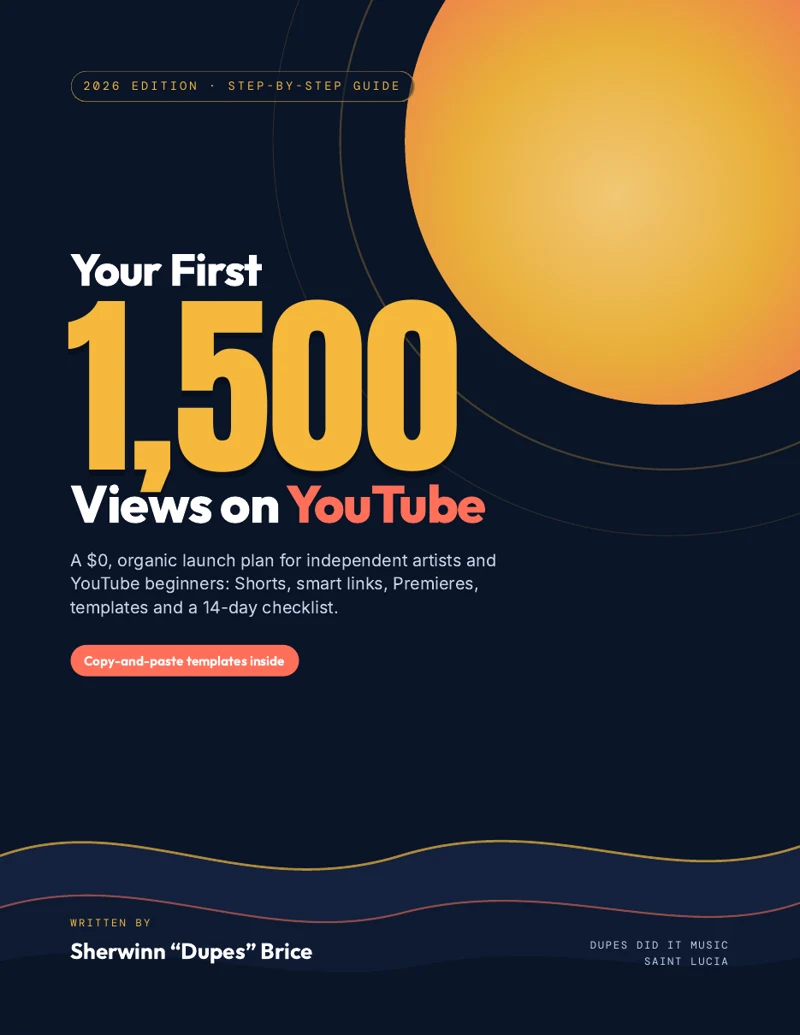
Your First 1500 Views on YouTube (2026) cover

Your First 1500 Views on YouTube (2026)

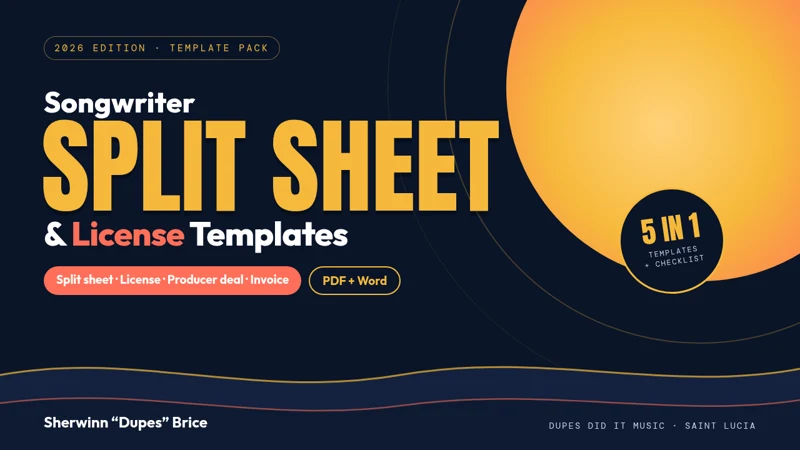
Songwriter Split Sheet & License Template Pack (2026 Edition) cover

Songwriter Split Sheet & License Template Pack (2026 Edition)

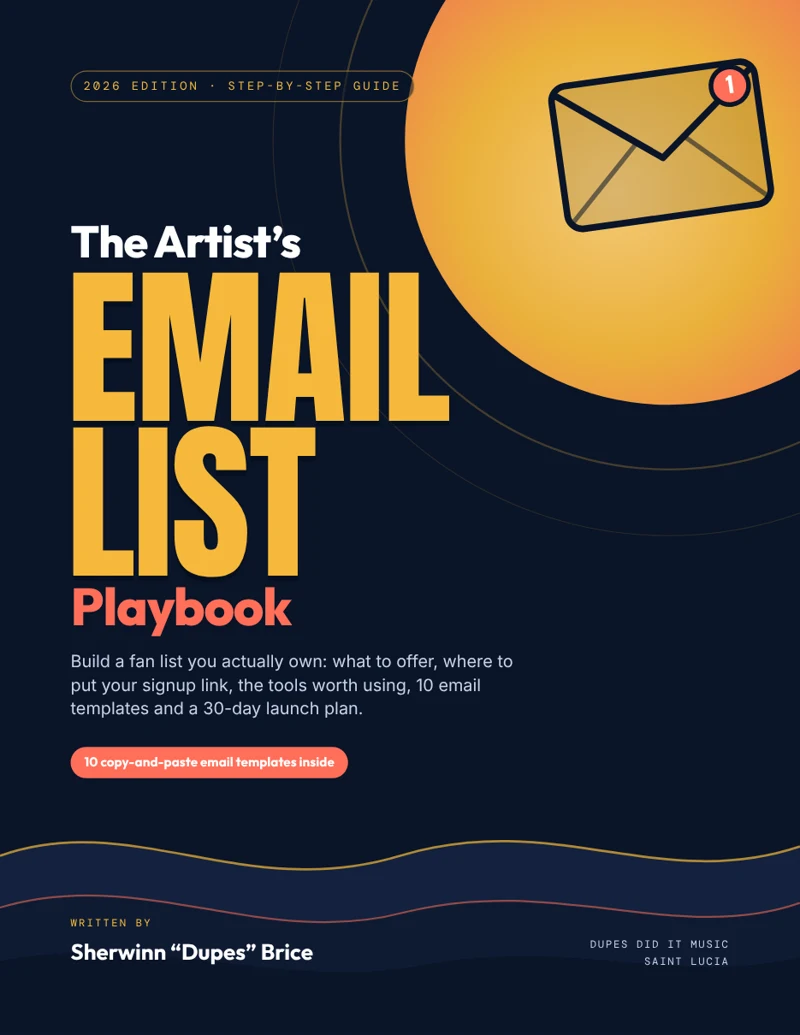
The Artist’s Email List Playbook (2026 Edition) cover

The Artist’s Email List Playbook (2026 Edition)

Stay on
my frequency.

New writing. New music. Things worth passing along. Email signup is coming next; for now, go deeper on Patreon.

Explore Patreon ↗

THE HUMAN BEHIND THE SIGNAL

Hey, I’m Dupes.

I’m Sherwinn “Dupes” Brice—a Saint Lucian-American singer, songwriter, producer, and founder of Dupes Did It Music. These are the pages between the songs: the lessons, questions, and things I’m still becoming.

WEGOSITE_ / KEEP PRESSING ON. ◇